
Are you ready to meet your next level? Click here to book your free discovery call
Real Estate Questions to Expect from Home Sellers & Home Buyers
chandlerandco
October 28, 2024
Real Estate Questions to Expect from Home Sellers
1. How should I prepare my house before selling it?
In business, but particularly in real estate, first impressions are crucial. Anyone walking through a house or touring it virtually will be looking for ways to pass on or negotiate down on the price. You must help clients make sure that the HVAC, plumbing, and electrical system all work properly. Each room should look clean and decluttered with no overt damage insight.
2. Should I order a home inspection?
It’s never a bad idea to have a home inspected prior to sale, especially if you want to get your client the best price. Some homebuyers may feel uneasy making a purchase without seeing the results of a home inspection. Many people frequently employ their own inspector. Being safe is preferable to being sorry.
3. How long will it take to sell my home?
Four to six weeks may pass after the house is put on the market before it sells. The house might be taken off the market in a week, though, if the market is active. On the other hand, if there is a slowdown in the market or problems occur with the house’s condition, exposure, or negotiation, the property may be on the market for months.
4. What is the selling price of my home?
A house’s selling price varies based on a number of variables. The two most frequent ones are the area and the price at which homes of a comparable size are currently being sold. Consider the age and condition as well. Do significant repairs need to be made? If so, it might make the property worth less. The market matters once more. Like anything else, the supply and demand factors affect housing pricing. The best way to inform your clients about these various issues and appropriately list their home is your responsibility as a realtor.
5. Is there a reason my home’s assessed value differs compared to the market value?
A public tax assessor provides the property’s assessed value. For taxation purposes, this assessment normally takes place each year. A willing buyer and seller will agree on a price, which is the fair market value. Usually, there is a discrepancy between assessed value and market value. The assessed value is a two-edged sword for homeowners. Because their annual taxes would increase if their assessed value increased. On the other hand, it can help increase a house’s market value when it is being sold.
6. What is an agent’s commission fee?
Instead of receiving a fixed fee in a real estate transaction, the agent is typically compensated by the seller via commission. A real estate commission usually costs 6% of the final transaction price of the home. In many instances, the commission fee is split equally between the buyer’s agent and the seller’s agent. Each will get 3%. To calculate your commission charge as a broker or agent, use our simple real estate commission calculator. Moreover, be aware that certain real estate firms will work for a fixed service cost or a discounted rate of about 3%. Discounted rates and flat fees may be less expensive, but they may also lead to poorer service.
7. Are real estate prices negotiable?
In real estate, practically everything is open to negotiation. The price a home is listed for and the price it ultimately sells for differ typically. How much opportunity for negotiation there is will depend on how saturated the market is right now. If you’re on the buyer’s side, you can anticipate that the house will be more affordable if there is less demand than supply. On the other hand, if you’re the seller, you should anticipate it to sell for less frequently. Having said that, you never know who else is looking for a home. At times, buyers will suddenly appear and provide the exact asking price.
Real Estate Questions to Expect from Home Buyers
8. What is the first step in buying a home?
Getting a mortgage approval is your client’s very first step. Buying a new home without a mortgage approval will be very challenging, if not impossible. If a prospective client contacts you, put them through the tenant screening procedure before directing them to a trustworthy mortgage company and counselor.
9. Should I sell my current property before buying a new one?
This is a difficult subject, and the solution mostly depends on one’s resources and capacity to locate interim lodging. It is recommended to sell one’s current property before buying their next one if a customer requires greater equity to buy a new one or meet a financing plan. As a result, they will probably need to find temporary housing with friends or family members or by making arrangements for a short-term rental somewhere else.
10. Should I do a home inspection?
Yes, either order a home inspection for your client or have them order one. A home inspection is one of the most vital steps when purchasing a property. A professional inspector has a keen eye for how well the house has been taken care of. The inspectors can comment on structural and cosmetic issues, along with any local code issues. Moreover, a home inspector will help you better determine the home’s value.
11. Should I do a final walk-through?
Although not mandatory, a final inspection is strongly advised. Buyers have the opportunity to verify that nothing has changed since their initial inspection or earlier visits during final walk-throughs. Additionally, if repairs were required as part of the selling offer, a follow-up inspection will make sure that all repairs have been completed in accordance with the contract and the agreement.
12. How does earnest money work?
Earnest money is akin to a deposit for a rental property. It is offered in an effort to convince the seller that the buyer’s offer is valid. As a real estate agent, you must request the earnest money from your client as a down payment in the form of a cheque or cash. The sum, which is typically between 1 and 2 percent of the selling price, effectively removes the property off the market. The money also provides the buyer extra time to complete a title search, receive an inspection and property appraisal, and financing.
13. How many houses should I view before purchasing one?
It might be very unpredictable how many homes your client wants to see. But, connecting electronically with your clients is lot simpler today. Today, you may browse detailed photos of properties or take virtual tours online. It will be beneficial for your client if you grant them access to your internet systems so they can view as many homes as they’d like. You can visit properties with them or on their behalf once a list has been reduced.
15. What is a mortgage and how does it work?
A mortgage is a kind of property financing loan. Most folks don’t have enough money to fully pay for a house. A mortgage functions as a safe loan with a fixed interest rate that is repaid over 15 or 30 years. Your client has the option to refinance their mortgage and upcoming payments if necessary.
16. What is the process of using an escrow entail?
A neutral third party that has been contracted to handle the exchange of funds, the sale of real estate, and associated paperwork is known as an escrow. Unless all of the criteria of the sale are met, the escrow retains the funds and papers in a trust. It is advisable to use an escrow account when making the earnest money deposit.
Similar Posts

chandlerandco
February 23, 2026
Do You Need a Local Real Estate Agent to Buy a Home at Lake Anna?
When buyers start searching Lake Anna homes for sale, one of the most common questions we hear is:“Do I really need a local real estate agent?” Short answer? Yes. Long...

chandlerandco
February 16, 2026
Should You Make Updates Before Selling Your Lake Anna Home? What’s Worth It (and What’s Not)
If you’re thinking about selling a home at Lake Anna, one of the first questions sellers ask is:“Should we update it before we list?” The short answer? Sometimes. The honest...

chandlerandco
February 9, 2026
Waterfront vs. Water-Access Homes at Lake Anna: What Buyers Need to Know Before They Buy
If you’re searching Lake Anna homes for sale, chances are you’ve already seen the labels waterfront and water-access. They sound similar, but in the Lake Anna real estate market, the...

chandlerandco
January 14, 2026
Lake Anna: Private vs. Public Side
If you’ve spent any time researching Lake Anna, Virginia, you’ve probably seen the terms public side and private side tossed around like everyone already knows what that means. Spoiler alert:...

chandlerandco
January 13, 2026
Is Lake Anna a Good Place to Buy Real Estate—and What’s It Like Living Here Year-Round?
Short answer? Yes. And the people who live here full-time rarely leave. Lake Anna isn’t just a weekend escape or a summer rental hotspot—it’s a legitimate, livable, year-round community that...

chandlerandco
January 12, 2026
Can I Use My Lake Anna Home as a Short-Term Rental?
This is one of the most searched and misunderstood questions in Lake Anna real estate—and the answer is yes… but only if you buy in the right place. Lake Anna...
chandlerandco
January 12, 2026
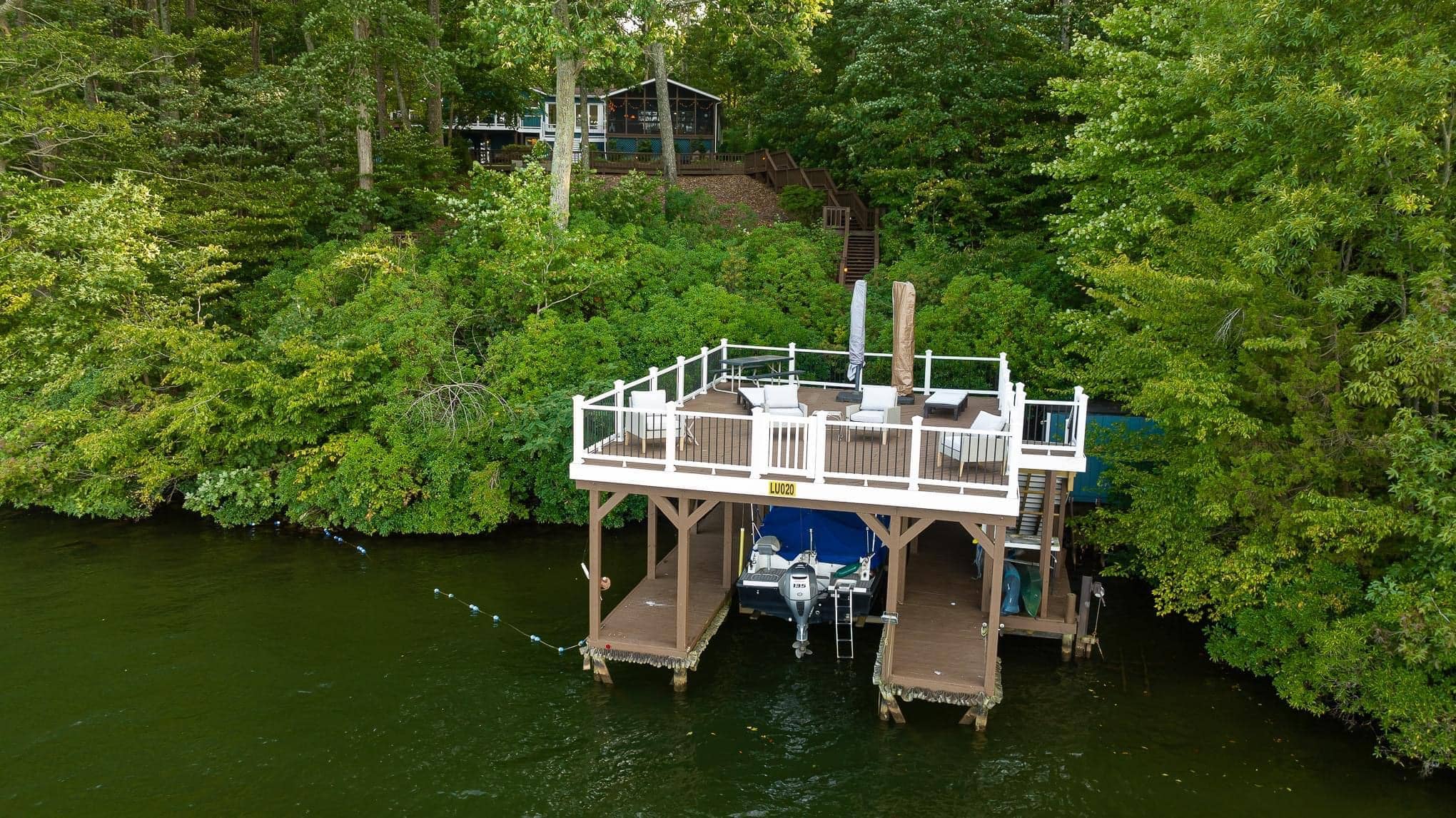
Are Docks Allowed at Lake Anna? What Waterfront Buyers Need to Know Before They Buy
This is one of the most misunderstood—and most expensive—questions in Lake Anna real estate. Buying a waterfront home does not automatically mean you can build a dock. At Lake Anna,...

chandlerandco
December 1, 2025
BUILDING WEALTH WITH REAL ESTATE: The Strategy Hiding in Plain Sight
Every market cycle crowns a new favorite: stocks, startups, crypto, gold. Each one shines, burns bright, and then reminds us that it can fall just as fast. But real estate?Real...
madison
June 11, 2025
The Best Time to Buy a Home—And Why It Matters
Buying a home is one of the biggest financial steps you’ll ever take. While factors like price and location often dominate, timing your purchase is a powerful strategy. Understanding the...

chandlerandco
June 2, 2025
Real Estate Terms Every First-Time Homebuyer in Lake Anna Should Know
Buying your first home near Lake Anna? That’s a big deal—and it’s easy to feel overwhelmed when you’re suddenly swimming in paperwork, negotiations, and real estate jargon. From waterfront properties in...